
Angioplasty
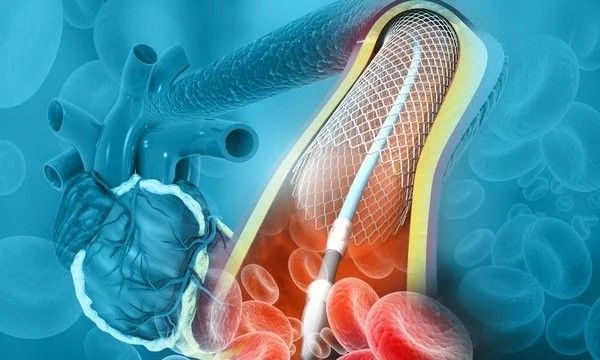
Angioplasty is a minimally invasive heart procedure used to open blocked or narrowed blood vessels (usually coronary arteries). A thin tube with a small balloon is inserted into the artery and inflated at the blockage site to restore proper blood flow. In many cases, a stent is placed to keep the artery open and reduce the risk of future blockage
Treatment Description
Angioplasty, also known as Percutaneous Coronary Intervention (PCI), is a minimally invasive medical procedure used to treat narrowed or blocked arteries, most commonly the coronary arteries that supply blood to the heart. These blockages are usually caused by the buildup of fatty deposits called plaque, a condition known as atherosclerosis.
During angioplasty, a thin flexible tube called a catheter is inserted through a blood vessel in the wrist or groin and guided to the affected artery. At the tip of the catheter is a small balloon. Once positioned at the site of the blockage, the balloon is gently inflated, which compresses the plaque against the artery walls and widens the artery, allowing blood to flow more freely.
In most cases, a stent (a small wire mesh tube) is placed at the treated area to keep the artery open permanently and reduce the chances of re-narrowing (restenosis). The stent may be drug-eluting, releasing medication over time to prevent further blockage.
Why Angioplasty Is Performed
-
Chest pain (angina)
-
Shortness of breath due to reduced blood flow
-
Heart attack (emergency angioplasty)
-
Significant coronary artery blockage detected in angiography
Benefits
-
Restores normal blood flow to the heart
-
Relieves chest pain and other symptoms
-
Reduces risk of heart attack
-
Improves quality of life
-
Faster recovery compared to open-heart surgery
Procedure Duration & Recovery
-
Procedure usually takes 30 minutes to 2 hours
-
Most patients can walk within 6–24 hours
-
Hospital stay is typically 1–2 days
-
Normal activities can usually be resumed within a week, as advised by the doctor
Risks (Rare but Possible)
-
Bleeding or infection at catheter insertion site
-
Blood clots
-
Re-narrowing of the artery
-
Allergic reaction to contrast dye
Post-Treatment Care
-
Regular follow-up with a cardiologist
-
Lifelong heart-healthy lifestyle
-
Medications such as blood thinners, cholesterol-lowering drugs
-
Balanced diet, exercise, and smoking cessation
Key Benefits
Advanced Technology
State-of-the-art medical equipment and procedures
Expert Care
Experienced medical professionals and specialists
Proven Results
High success rates and patient satisfaction
Comprehensive Support
Complete pre and post-treatment care
Book Appointment
Get expert consultation for this treatment